Discover the Essential Benefits of Insurance for Economic Safety and Tranquility
Insurance is vital in guarding against life's unexpected difficulties. It establishes a basis for fiscal safety, offering protection from mishaps, health issues, and loss of possessions. Understanding the different forms of protection offered can significantly affect one's financial stability. Moreover, choosing prudently about insurance policies makes certain that individuals and families are adequately prepared for unexpected events. As the conversation unfolds, it is evident how these factors contribute to a feeling of safety and well-being.
Exploring Different Types of Insurance Coverage
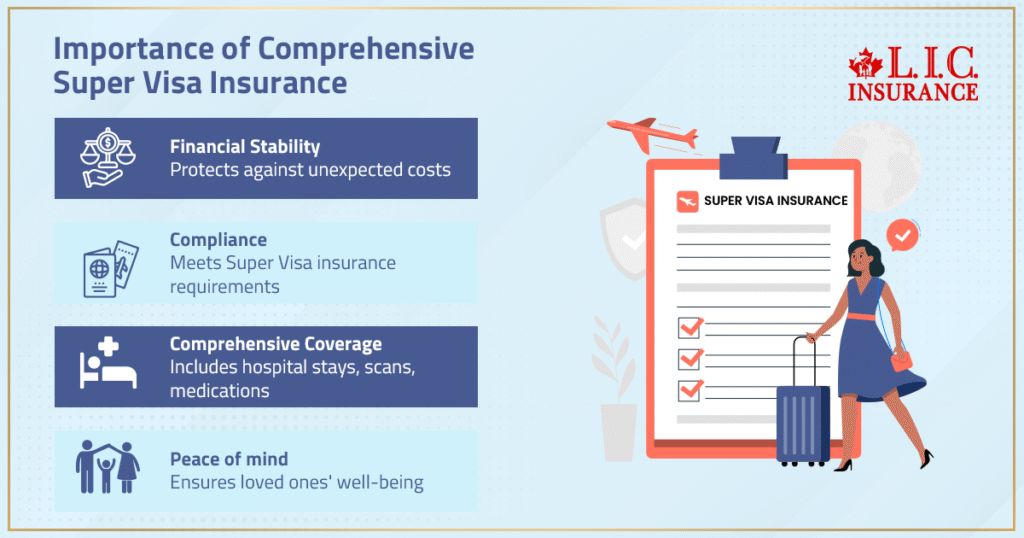
While many individuals see the necessity of insurance, they frequently miss the wide range of policies accessible. Each type has a unique function and meets different needs. Health insurance, for example, provides financial assistance for treatment bills, making sure you can get to essential health treatments. Auto insurance protects against losses related to vehicle accidents, theft, and damage, giving assurance on the road. Home insurance secures belongings against risks like fire, theft, and severe weather, building assurance for homeowners. Additionally, life insurance provides monetary protection for beneficiaries in the event of the policyholder's demise. Other forms, such as renters insurance and indemnity protection, cover particular situations that individuals may face in their lives. Understanding these diverse options is essential for choosing wisely about individual fiscal safety and gaining lasting safety.
The Role of Insurance in Risk Management
Insurance plays an essential role in risk management by providing a structured approach to lessening potential financial losses. Individuals and businesses utilize insurance as a proactive measure to shift liability from themselves to an insurer, thereby minimizing their exposure to surprises. By assessing different dangers, insurance products are customized to meet specific needs, whether it be asset loss, liability, or illness-related problems.
In managing exposure, insurance functions as monetary protection. It enables people and organizations to bounce back from negative events without incurring devastating costs. Moreover, the known cost of coverage allows for improved financial forecasting and budgeting. By including insurance into an overarching risk management strategy, entities can focus on advancement and expansion, knowing that they are safeguarded against future challenges. In conclusion, the function of coverage in managing risk builds strength, guaranteeing security in the face of uncertainty.
Financial Protection for You and Your Family

When families prioritize financial protection, they create a safety net that safeguards their loved ones against unexpected difficulties. Insurance plays a vital role in this endeavor, providing different types of coverage that shield families from substantial financial burdens stemming from unexpected events, accidents, or sickness. Health insurance, for instance, covers medical expenses, allowing families to receive necessary treatments without bankrupting their savings.
Life policies give further security by offering a financial payout to designated beneficiaries upon the death of the insured, helping families sustain their standard of living. Renters or homeowners policies shield against property damage or loss, further securing a family's financial future.
Peace of Mind Through Comprehensive Coverage
Extensive coverage offers families a strong structure for protecting their financial health, increasing the sense of security that comes from the assurance of being prepared for a variety of potential risks. With thorough insurance policies, people are able to handle life’s unpredictable moments without the constant worry of unforeseen expenses. This assurance permits families to pay attention to their normal activities, leading to better relationships and general contentment.
In addition, extensive coverage usually encompasses different components such as property, health, and liability safeguards, which together help create a more secure financial outlook. When families feel secure that their coverage is sufficient, they are better positioned to seek out chances, such as furthering education or purchasing property, without fear of losing their investments due to unexpected events. Finally, the security that thorough insurance delivers empowers families to live fully, knowing they have a safety net in place for life's unpredictable moments.
Making Informed Decisions About Insurance Policies
How can people ensure they select the optimal options when choosing complete information their coverage plans? To determine this, in-depth research is vital. Individuals must begin by assessing their unique requirements and financial situations, which enables them to identify the types of coverage required. Shopping around among several insurers is crucial, as it highlights differences in premiums, deductibles, and coverage limits. Additionally, checking client testimonials and consulting independent ratings gives information about the reliability of insurers.
Knowing the contract details is also fundamental; individuals must grasp what is covered and all limitations to prevent future unexpected issues. Working with certified insurance brokers can help explain complex options and aid in adjusting plans to suit individual situations. Ultimately, making informed decisions about insurance policies involves careful consideration of options, diligent research, and a recognition of personal requirements, leading to the best safeguard and financial security.
FAQs
What Causes Insurance Rates to Differ Based on Risk Factors?
Insurance rates fluctuate based on elements like age, health, location, and past claim records. Greater calculated risks often cause increased premiums, while minimal hazards can lead to discounts and advantageous costs for clients.
Is It Possible to Adjust My Policy Mid-Policy?
Yes, policyholders have the option to alter their insurance coverage during the policy term. However, adjustments may affect premiums and need the copyright's authorization. You should always examine the policy terms and talk to your insurance provider for guidance.
What Happens if I Miss a Premium Payment?
If a premium payment is missed, the policyholder might be given a grace period to make the payment. Missing the payment may cause policy cancellation, losing protection, and problems securing future coverage.
Can I Get Tax Breaks for Having Certain Types of Insurance?
Yes, certain types of insurance, such as health and long-term care insurance, can offer tax advantages. Policy costs are occasionally deductible from taxable income, helping create monetary advantages and financial advantages for policyholders.
How Does Claims Processes Vary Across Insurance Companies?

Claims processes show wide variation among insurance providers, where some requiring extensive documentation and some others offering streamlined online applications. Timeliness, customer support, and clarity also differ, affecting the total experience for insured parties during claims.